Why Burnout Hits Hospitality Workers Differently
By Designer 491
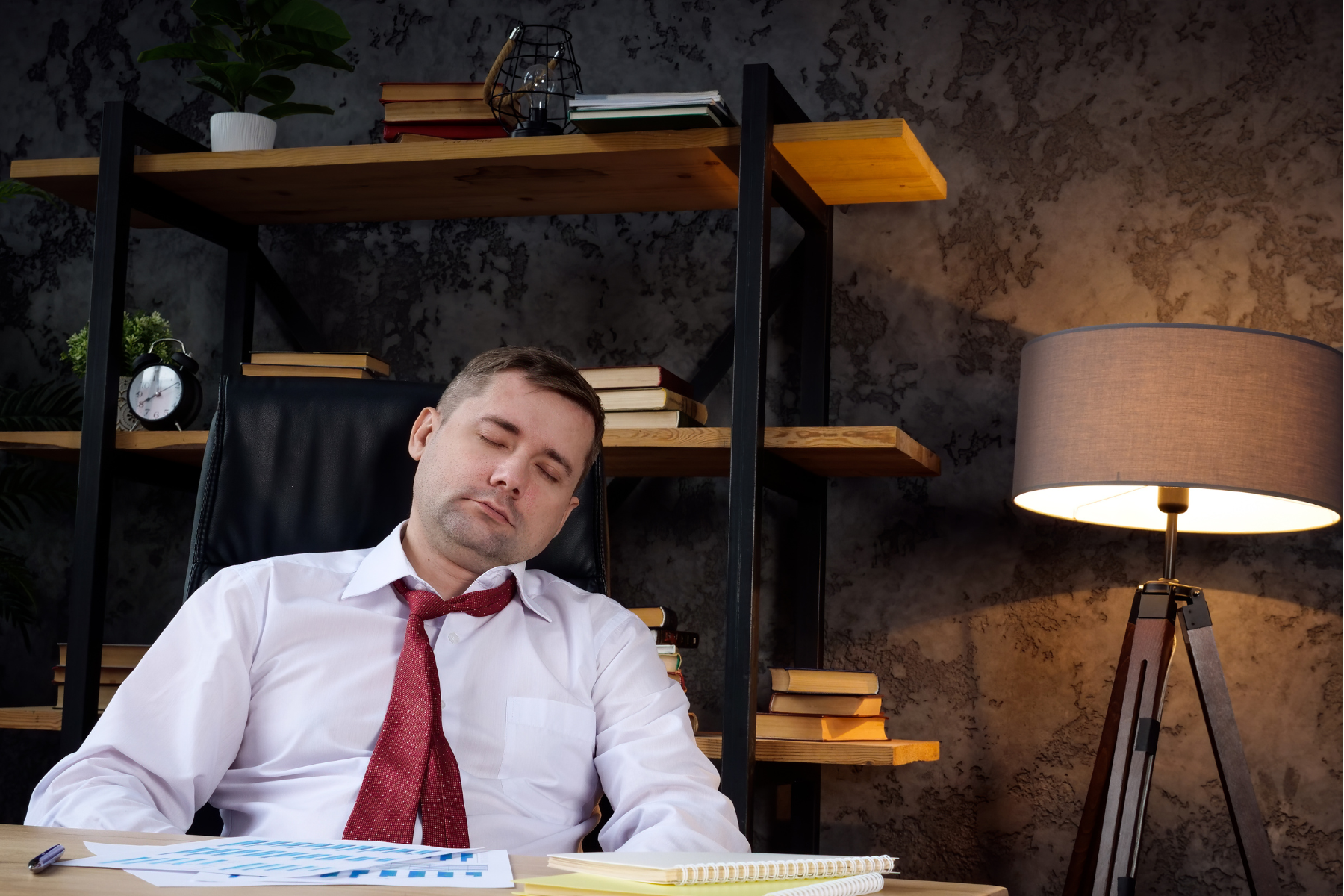
Last night I had a guest who camped out at their table for an hour and a half after close.
I flung myself into bed at around 1:30 a.m.
I was exhausted. Especially after waking up this morning, the first thing I poured myself was a cup of coffee, so my eyes would crack open slightly.
The surge of caffeine through my body is one of my favourite feelings, hence why it's the most popular drug.
As a nutritionist, I’m supposed to tell you to drink hot water beforehand and eat a light breakfast so your cortisol doesn’t spike, but guess what?
I’m also human, and when I’m that exhausted after a late night, I want my coffee first thing.
Luckily, I quickly recovered, ate breakfast, then did morning stretches and a quick breathwork session to reset my mind and body for my next 8-hour shift.
Living a balanced life is never a perfect science, and how you feel can change day to day.
In hospitality, pushing through is the culture.
You work multiple shifts in a row, or doubles. You may stay out late to hang out with colleagues after work. That cultural expectation is exactly why burnout in this industry hides so well.
However, when you start experiencing burnout more than once, it may be time to look at your lifestyle and how to rebalance.
Why hospitality burnout hits differently
Hospitality can be more stressful than a 9-5 job because of irregular hours, normalized alcohol use, staff shortages, and unpredictable income.
Furthermore, needing to be emotionally present for every guest experience can take a toll, as can dealing with co-workers when your nervous system isn't quite regulated.
Quite often, employees deal with stress by drinking alcohol right after their shift to unwind, even though they just experienced a busy service where their cortisol, adrenaline and glycogen are spiked.
But the stress response cycle hasn’t finished, and even though drinking may feel relaxing, it doesn’t naturally complete it.
Your body is still stuck in the middle of a stress response. You have to do something that signals to your body that you are safe so that you can shift into relaxation.
How to reduce the stress response
Stress recovery among restaurant staff starts with reducing immediate pressure and building new healthy lifestyle habits, which can take weeks to months.
For example:
Prioritizing sleep instead of going out for after-work drinks.
Stepping outside for a quick reset break.
Practicing breathwork to regulate the nervous system.
Saying no to extra shifts until you can feel stabilized in your life.
Saving money and learning financial literacy.
Speaking to your employer about scheduling and your mental health if you feel you need the support.
When you put your health first, your body will start to respond to cues and naturally move from the fight-or-flight response to a more relaxed state, closing the stress cycle.
Burnout in hospitality can happen when employees are expected to carry more than their mind and body can sustainably handle, day after day, in an industry where that level of pressure has been normalized.
Still, recovery doesn’t necessarily mean leaving the industry. It means challenging the beliefs and habits that kept you in survival mode, rewiring how you respond to stress, and rebuilding yourself from the inside out.