Alcohol and the Hospitality Brain and How to Break the Cycle of Drinking
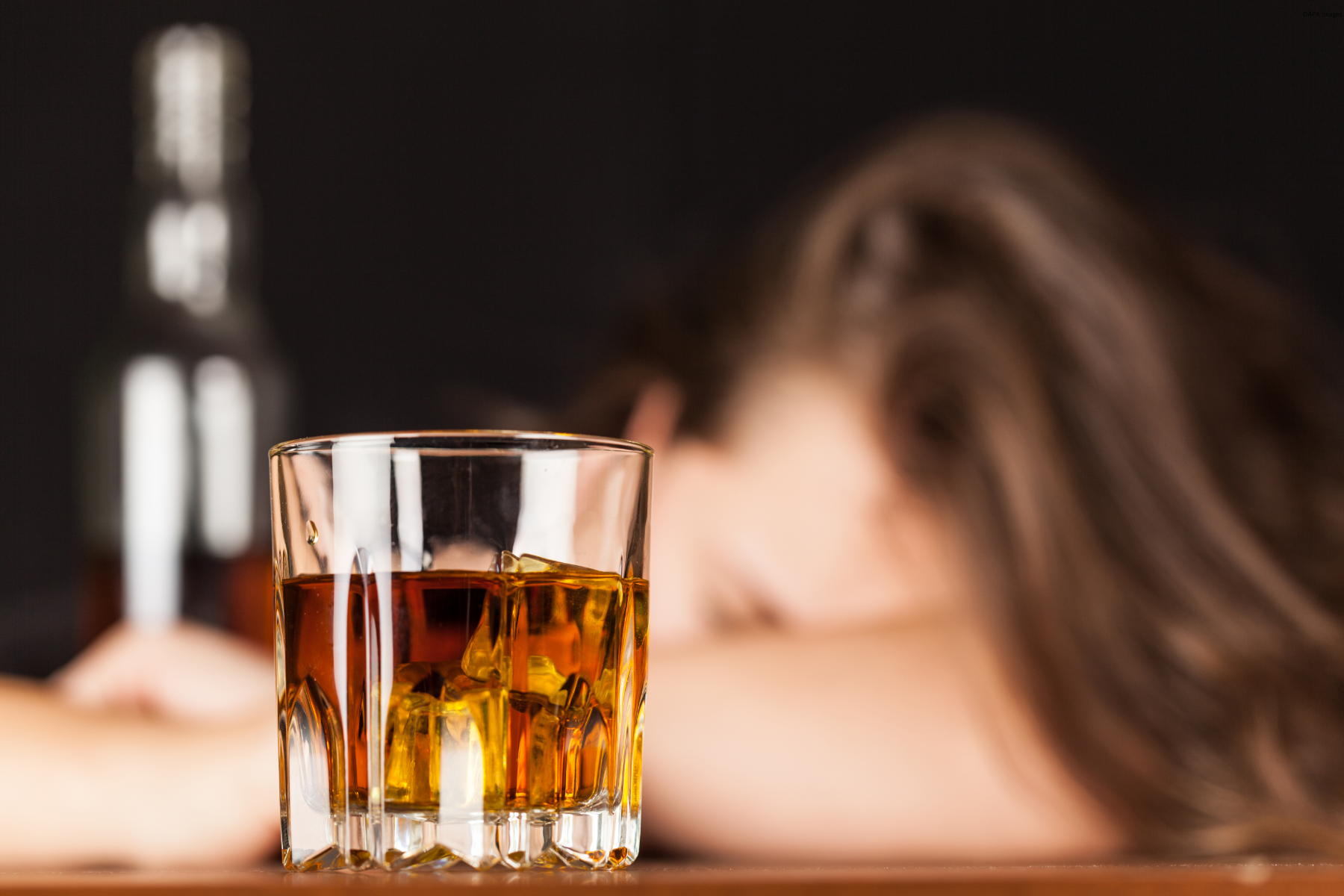
By DAPA Images
“Changing the way you think can change the way you drink.”
I spent over 25 years working in restaurants before I realized how deep the drinking culture had its hooks in me. It became normal to roll into each shift hungover from late-night partying.
It wasn't until my mid-thirties that I stopped and actually looked at my relationship with alcohol, not with judgment, but with honesty. What I experienced and realized was that I was drinking on autopilot for most of my adult life, surrounded by an industry that made it not just acceptable but practically ceremonial.
Therefore, I took it upon myself to go completely alcohol free for 90 days, which became the most significant and transformative shift of my life.
Rewiring the brain
There is a scientific concept called neuroplasticity, which refers to the brain's ability to change and adapt in response to experience.
Every time you drink, you strengthen a neural pathway. However, when you make a different choice, you begin to build a new pathway. This process, called synaptic pruning, weakens and eventually disconnects unused pathways. In contrast, the pathways you actively use become stronger.
This means the longer you stay away from alcohol, the more your brain physically rewires itself. The craving doesn't just fade; the underlying psychological architecture changes.
After my 90-day experience without alcohol, I understood that I was drinking out of habit, which led me to make healthier choices after my late-night shifts.
Beliefs reside in the subconscious
After years of working in the restaurant industry, certain belief patterns begin to reside in our subconscious mind; it’s not your fault; it’s how the industry operates.
Some of the most common ones sound like this:
I can't unwind after a shift without a drink.
Everyone in this industry drinks — it's just how it is.
Alcohol helps me sleep.
I'm more fun, more social, more me when I drink.
Life is boring without alcohol.
In actuality:
Alcohol spikes cortisol. It doesn't reduce stress — it delays it.
Not everyone in hospitality drinks.
The confidence you feel is alcohol lowering inhibition.
Drinking causes more anxiety and fuels stress. (Financial debt, destroys relationships and causes embarrassment).
Even though you may pass out faster, you wake up feeling worse because alcohol messes with the circadian rhythm.
Life is boring, which can equal less drama and chaos.
Changing your perception and belief patterns around alcohol will enable you to attract new, expansive experiences without the constant drinking.
Instead of drinking after your shift, find connections with colleagues either at the gym or lunch dates.
Late-night breathing techniques
Replacing the after-work drinking is the first step in reducing alcohol consumption.
You need to fill the gap and the habit overtaking your life with healthier experiences, such as breathing techniques.
Practicing meditation techniques can help slow down the thought process and anxiety that is linked to wanting to drink alcohol.
By focusing on the breath and breathing into the heart center, you can provide the body with space and balance.
It's important not to judge yourself and to observe your thoughts. Allow them to float by, then write them down after your practice to understand them better.
Find a quiet space and set the ambiance with essential oils, candles or anything that makes you feel comfortable.
Practice 5 to 10 minutes after your shift.
It's okay that your mind wanders.
Focus on your breath and inhale for 6 counts; hold for 6 counts; exhale for 8 counts. (Helps to relax the nervous system.)
Repeating this mindful meditation practice can build new neural connections, which process information and are responsible for how we feel, think, and act, while also changing brain structure.
The brain is complex and should be thought of as our human computer. To maintain it, you must work on it and remove outdated information, replacing it with current data.
Stepping away from drinking, even temporarily, will help rewire your belief system and can help lower the consumption of alcohol.
The longer the break, the deeper the recovery. Not just physically, but in how you think, how you sleep, and how you handle the 11 pm pressure that used to send you straight to the bar.
Twenty-five years in this industry taught me that hospitality workers don't need more willpower. They need a different framework, one that was actually built for the way we live and work.
If this hit close to home, that's the point. I work specifically with servers, bartenders, and chefs who are done white-knuckling their way through the shift and want something that actually holds up under the pressure of this career.
Fill out the contact form and book your wellness call today!
If you are struggling with AUD, this content may not be for you. Please seek professional help.