Why Bartenders Can't Sleep After a Shift and Suffer Insomnia
By TrueCreatives
Bartending can be quite challenging.
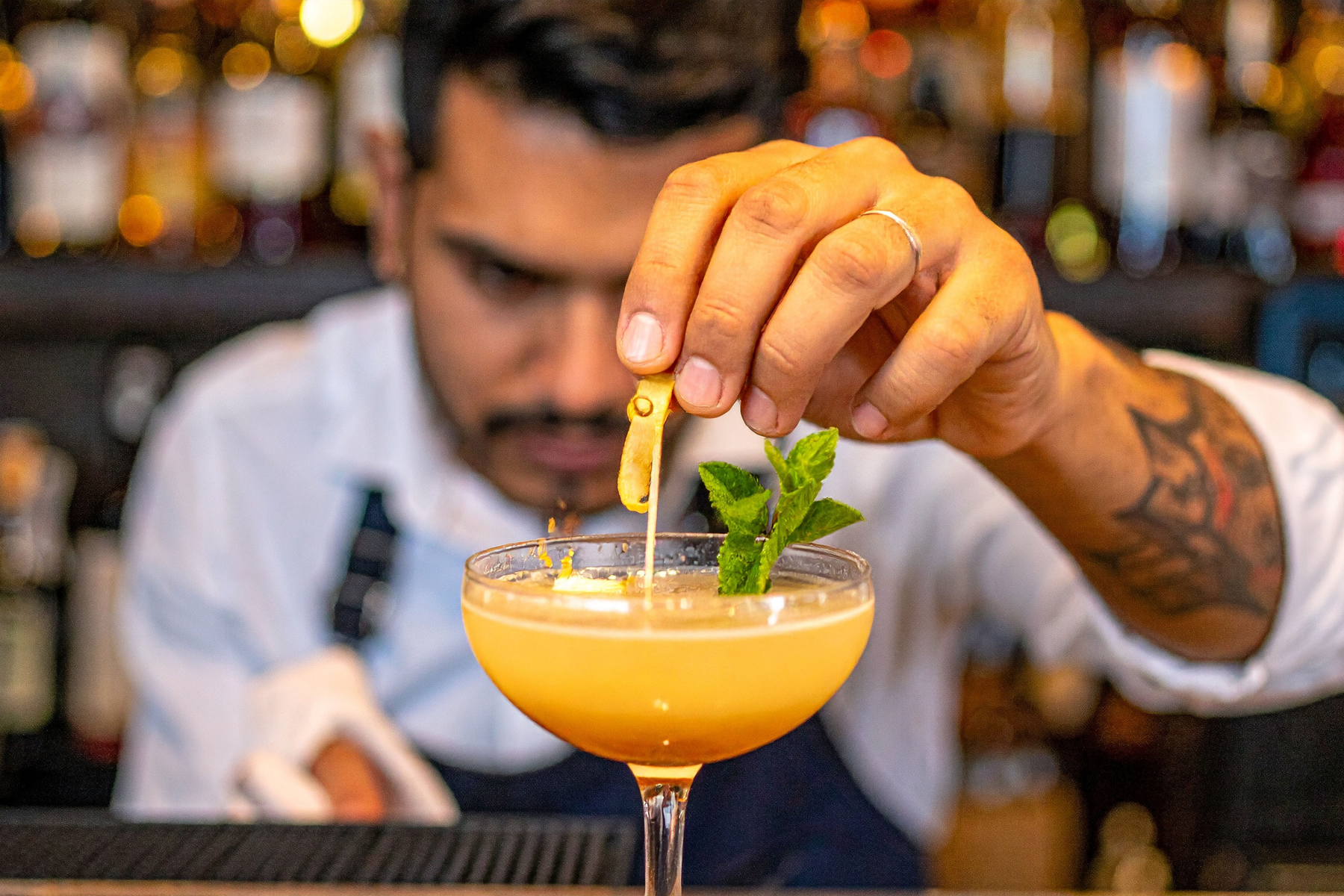
I’ve watched bartenders multitask, creating drinks for servers while serving their own guests, answering questions, and, if a keg runs out, changing it themselves.
If you work in a busy restaurant, you may have a barback to help take some of the pressure off.
However, by the time you finish with your last guest, the exhaustion has settled in.
It’s past midnight.
The bar is locked, the stools are up, and you're finally home.
You're also completely wired, tossing and turning in bed because your body is running like the service never ended.
Eventually, you start telling yourself that falling asleep and feeling rested can’t happen in this industry.
It’s just the way it is.
But the truth is, you can start implementing nightly habits that will change your mindset and how you approach sleep.
Insomnia Starts Before You Leave the Bar
Insomnia happens when the body and mind don’t get enough quality sleep, leaving you feeling restless.
You may have a hard time falling asleep, tossing and turning, or, most commonly, waking up in the middle of the night.
Think about what your nervous system experiences during a busy shift: loud music, bright lights, crowds, constant movement, demanding guests, multitasking, quick decisions, and the pressure to keep everything moving.
Your body doesn’t automatically switch from “service mode” to “sleep mode” the moment the last guest walks out the door.
Cortisol peaks in response to that kind of sustained pressure, and it takes time to return to baseline.
Bartenders often head home with cortisol levels that are still climbing when they should be falling.
Furthermore, cortisol and melatonin have an inverse relationship.
When cortisol is elevated, melatonin is suppressed. This means your body's own sleep hormone is actively blocked at the exact moment you're trying to fall asleep, and over time, this imbalance can lead to severe burnout and insomnia.
Post-shift drinking effects on sleep
Although it is very common for bartenders to have an alcoholic beverage after their shift to help calm the nerves after a busy night, the habit can contribute to irregular sleeping patterns.
Alcohol is a sedative trap, depressing the nervous system and blocking REM (rapid eye movement), leaving you feeling tired the next day.
Furthermore, alcohol spikes cortisol while you’re sleeping because the liver is working hard to metabolize the alcoholic drink.
As a result, using healthier tools after a shift can help reduce the need and desire for that post-shift drink.
Sleep routine
To help minimize insomnia, start a sleep schedule routine; these tips are built around the bartender’s schedule.
Stop drinking caffeine at least 6 hours before you close, if not longer. Caffeine stays in your system for up to 12 hours.
Purchase blue-light-blocking glasses to wear on the way home to block out any street lights, because it can delay melatonin. This will signal to your body that it’s time for bed.
Remove stimulation and take 30 minutes or so for intentional quiet, no podcasts, scrolling, or music.
Set up your sleep environment by purchasing blackout curtains and adjusting the room temperature to a cooler setting, roughly 18 to 20 degrees Celsius (65 to 68°F), for deeper, more restorative sleep.
Take natural sleep supplements (as advised by a practitioner) 30 minutes before bed; do not take them while driving home.
Take a 20-minute pre-shift nap to boost alertness. Keep it under 20 minutes to avoid feeling foggy.
Working late nights is part of being a bartender.
But constantly feeling exhausted, wired, and unable to sleep doesn't have to become part of your identity.
You can't always control when your shift ends, but you can control what happens in the last 30-60 minutes.
Implement one sleep routine suggestion each week; consistent habits will help them become part of your normal after-work schedule.
Download the sleep tracker to help you stay accountable.
And if you want to go deeper on burnout, nutrition, or building a routine that actually fits your life, reach out and let's talk. That's what the free wellness call is for—looking forward to connecting.
If you are struggling with Alcohol Use Disorder (AUD), consider working with a professional. Learn more at alcoholtreatment.niaaa.nih.gov.