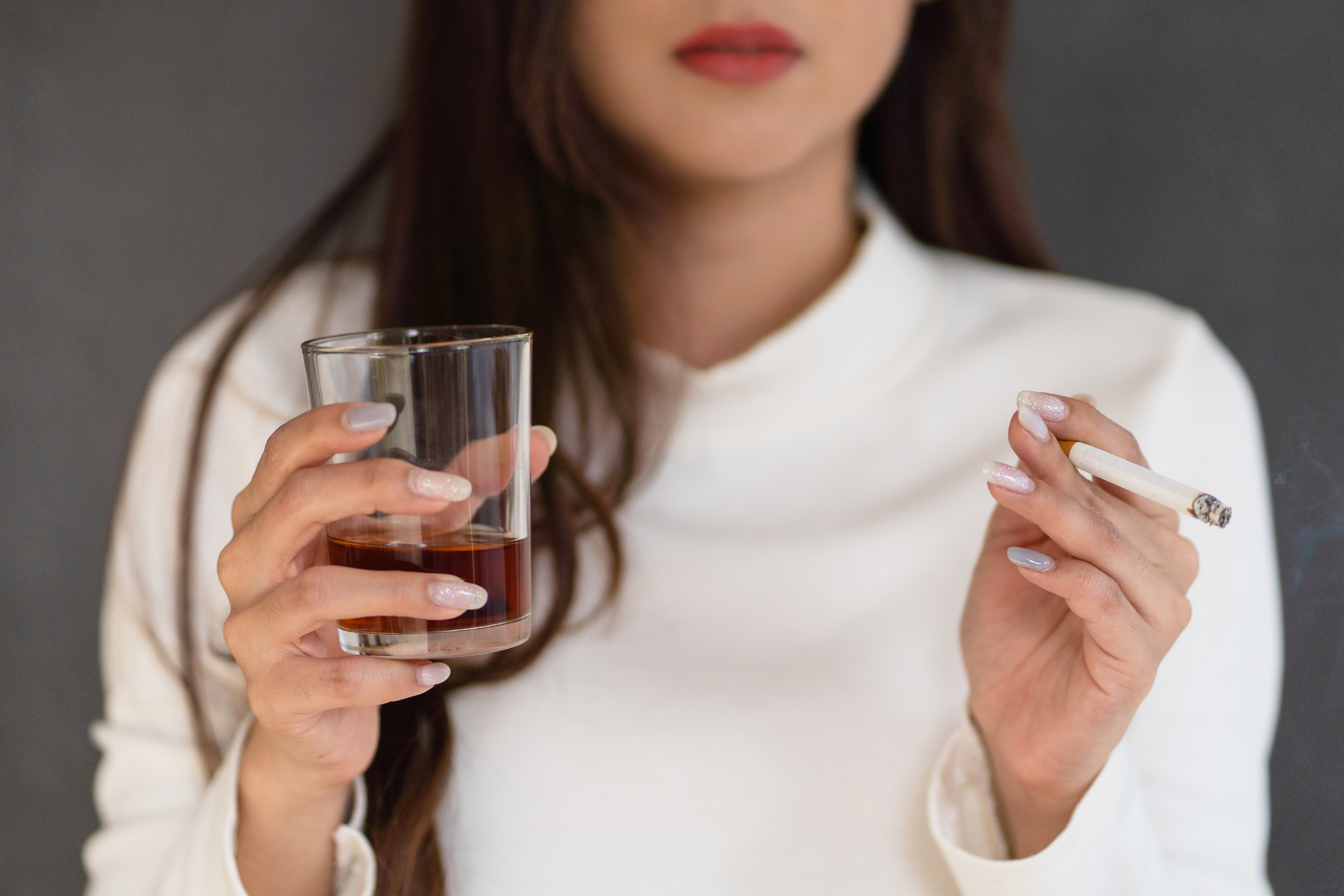
Are You Drinking out of Habit as a Hospitality Professional?
It’s extremely common for staff working in the restaurant industry to finish their shift and grab an alcoholic beverage to unwind.
Although this routine may be harmless at first, and using alcohol as a coping mechanism for stress, after years, it can become a habit that has grown into a full-blown addiction.

Why You Should Reduce Alcohol as a Hospitality Pro
Last night, I got off work early and felt the urge to pick up a bottle of wine. However, after checking my drinking app, which I use to track my alcohol consumption throughout the month, I decided against it.
After working 25 years in the restaurant industry, I’ve learned how socially acceptable it is to drink alcohol after your shift.

5 Steps to Breaking Free From After-Shift Drinking
It’s after your shift, you’re starving, and even though it’s late, the night feels young.
Most hospitality professionals know that the best way to have a social life is hanging out with other co-workers for a little late-night eating and drinking.
Although this is an excellent way to unwind, the promise of “just one drink” often turns into a few too many.

How to Stay Sober Curious for the Holidays
A few years ago, I started exploring a sober curious lifestyle—and it’s been one of the most transformative decisions of my life.
For years, partying felt like a normal part of life. Regular drinking was so ingrained in my routine that I never questioned it. But deep down, I couldn’t ignore the toll it was taking on my mental health, motivation, and overall happiness.
3 min read