How Hospitality Professionals Can Heal Their Gut Using Probiotics
By Rimma Bondarenko
Working in hospitality can be rewarding due to the connection with guests, fast money, and the dynamic energy of every shift.
However, the high-stress environment, irregular hours, and constant exposure to late nights and rich foods can take a toll on your physical and mental health.
Therefore, understanding the brain-gut connection can help hospitality professionals take control of their well-being, even in a high-pressure environment.
The gut doesn’t just digest food; it communicates directly with the brain through the nervous system, influencing mood, stress levels, and cognitive function.
Known as the second brain and the enteric nervous system, scientists have discovered that the gastrointestinal tract contains 100 million nerve cells from your esophagus to your rectum.
The vagus nerve is the largest nerve connecting the gut and brain, carrying signals in both directions via neurons and neurotransmitters, chemical messengers that control feelings and emotions.
This leads to the importance of your microbiome, and how you feed it will determine your health and mental health.
What is the microbiome?
Our microbiome consists of trillions of different species of bacteria, fungi, parasites, and viruses. These microorganisms primarily reside in the small and large intestines.
A healthy, balanced microbiota helps aid digestion and supports the immune system, metabolism, and brain function while producing vitamins.
When it becomes imbalanced due to a highly processed food diet, overconsumption of drugs (street drugs and pharmaceuticals), alcohol and poor health choices, you will begin to experience the effects of disease-related symptoms.
As a result, inflammation can occur, diabetes, allergies, depression, anxiety, dementia, and digestive issues.
Therefore, taking probiotics or eating probiotic-rich foods is recommended to help maintain a healthy, balanced microbiome.
What is a probiotic?
Probiotics are beneficial bacteria that help maintain healthy gut flora. They are live bacteria and remain alive in our bodies for up to 12 days, so consuming fermented and cultured foods or taking probiotics is essential.
“They tend to be tourists. They don’t exactly colonize most of the time, although they can, so they don’t stay forever. But as long as you’re taking them, they do their work “— Dr Mark Hyman
Furthermore, Doctor Mark Hyman mentions in his podcast, The Doctor's Farmacy, "How to improve your health with probiotics," the benefits of taking a probiotic by changing the gut's ecosystem.
Probiotics essentially are modulators of intestinal function, so they will change the immune function. They’ll change the cell signalling communications. They’ll compete with other bacteria that are bad bugs and get rid of those. They’ll compete with yeast and help reduce those by actually helping promote more of the good bugs — Dr, Mark Hyman
You will notice several health benefits when you take a probiotic and balance your microbiome. These include better sleep, improved mental health, and decreased inflammation.
Probiotic foods
Probiotic foods are microorganisms that are fermented or cultured with the use of lactic acid-producing bacteria such as Streptococcus, Pediococcus, Leuconostoc and Lactobacillus. During the fermentation process, carbohydrates are converted into lactic acid and organic acids that are used in our bodies for energy production —Dr, Elizabeth Lipski, Digestive wellness
Fermentation is the process of sugars being broken down by enzymes of microorganisms in the absence of oxygen. Microorganisms such as bacteria and fungi have unique sets of metabolic genes, allowing them to produce enzymes to break down distinct types of sugar metabolites.
When you regularly eat probiotic foods, these friendly bacteria will help improve your gut and inhibit pathogen growth.
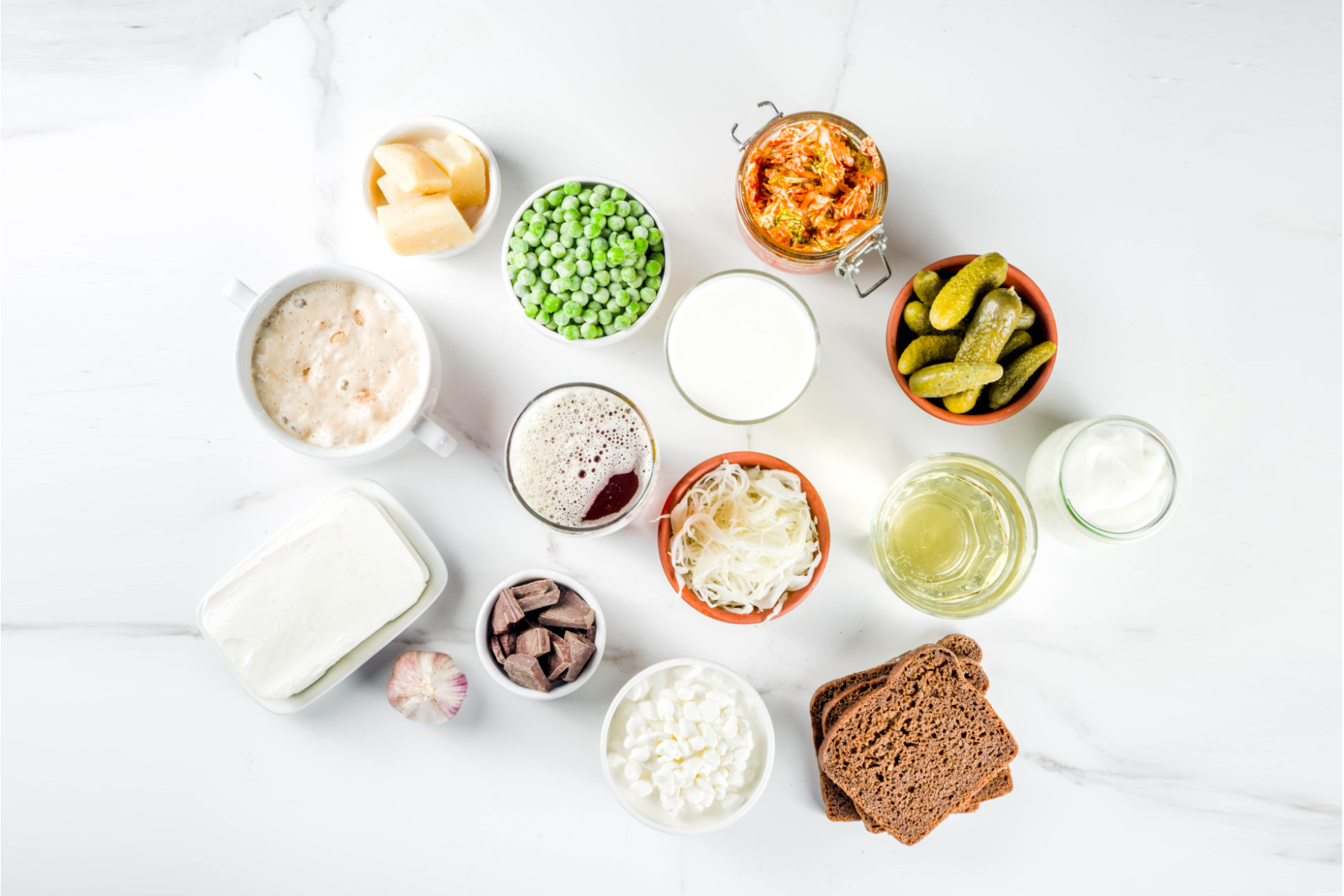
Some foods to consider
Kimchi and sauerkraut
Miso, tempeh, and natto
Fermented vegetables, olives, raw vinegar, black tea and oolong tea
Yogurt, kefir, cottage cheese, and traditional sourdough bread
Beer (microbrew), ginger beers, wine, and chocolate (dark). All in moderation.
Polyphenols provide colour in fruits, vegetables, beans, seeds, nuts, and grains, which can also help promote friendly bacteria while decreasing the number of harmful bacteria in your gut.
How to balance your microbiome
By paying attention to your environment, diet, and lifestyle choices, you've already begun to take responsibility for your health. As a hospitality professional, this can be challenging due to irregular hours and late-night eating.
Yet, even small, intentional choices can have a big impact.
Limit your alcohol intake by drinking in moderation. Overconsumption will feed the harmful bacteria and, in turn, cause an imbalance in your microbiome. Having a glass of wine with dinner a few times a month can benefit your gut health by increasing the number of healthy bacteria through the polyphenols in wine.
Eliminate processed foods and start incorporating a whole foods diet. Eating whole foods will provide the microbiota with a broad spectrum of nutrients.
Remove yourself from stressful situations, toxic environments, and toxic employees. Cultivate connections with life-minded people who will help you uplevel your life. Stress plays a massive role in keeping your microbiome imbalanced. When stressed, gut bacteria release metabolic toxins that can trigger you to develop poor eating habits.
Eat more prebiotic foods. Prebiotics are a form of dietary fibre found in plants and vegetables and work synergistically with probiotics to help the growth of beneficial bacteria. Plan snacks or quick meals in advance and store them in your work fridge.
How to choose the right probiotic supplement
When choosing a probiotic supplement, you will find many on the market, but not all are effective.
According to Dr. Elizabeth Lipski, author of Digestive Wellness, it's important to choose one that is well-researched and used in a clinical setting with a batch number and expiration date.
She also mentions in her book that you may use a specific strain depending on your health issue, such as Saccharomyces Boulardii, for chronic diarrhea.
Or choose a mixed probiotic with different strains, such as Lactobacillus acidophilus and Bifidobacteria, so that the gut can receive a variety of beneficial bacteria. Look for freeze-dried products, as they keep bacteria dormant until you ingest them.
Refrigerated products may be the best option due to their lifespan and potency.
By supporting gut health with probiotic foods, fibre-rich vegetables, and mindful eating habits, you can stabilize your energy, improve focus, and regulate your mood, ultimately creating a more sustainable and pleasurable work environment.
If you want guidance with your health and wellness journey, fill out the contact form and book your free wellness call today!