
Sleep & Recovery
Give Your Body Time to Recharge
Working in hospitality doesn't always make it easy to get a good night's sleep. Late-night finishes, shifting schedules, bright restaurant lighting, and the adrenaline of a busy service can make it hard to switch off. Sleep is essential for physical recovery, brain function, hormone regulation, immune health, and emotional well-being. When you consistently get insufficient or poor-quality sleep, it can affect everything from your energy and concentration to your mood and ability to manage stress.
Create a Post-Shift Routine
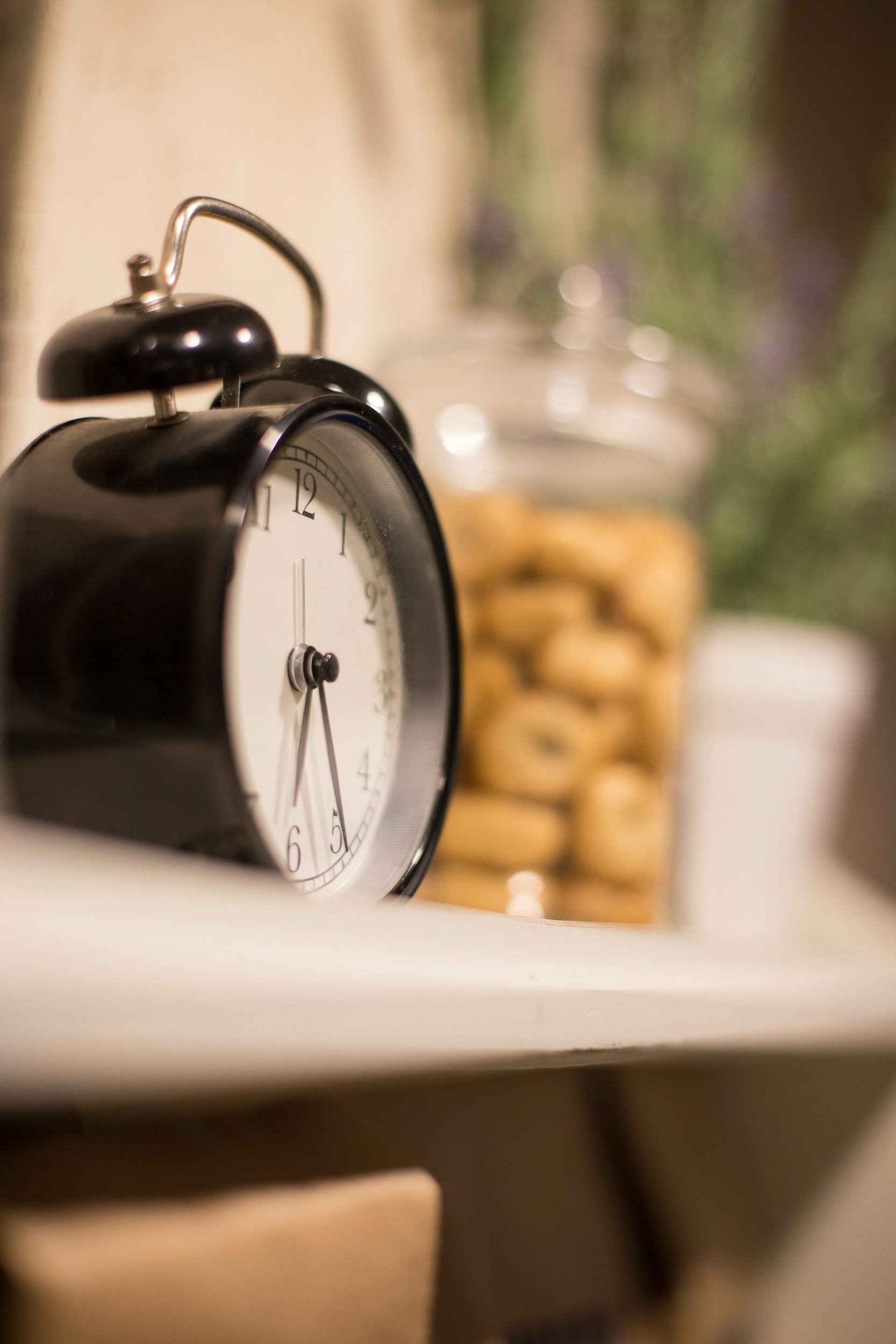
You don't need an elaborate bedtime routine. Find a few simple habits that help you disconnect from work and make them part of your evening.
After a demanding shift filled with noise, multitasking, and constant movement, your body can remain in high gear long after you've clocked out. Switching off isn't always easy, especially when you're scrolling, reaching for a drink, or jumping straight into other responsibilities. A consistent wind-down routine can help your body shift from work mode to rest mode.
Experiment with essential oils: Try lavender, Roman chamomile, or bergamot in a diffuser or pillow mist to create a calming sleep environment.
Keep your bedroom cool: Use breathable bedding, lightweight blankets, and a fan to maintain a comfortable sleeping temperature.
Block out daylight: Use blackout curtains or a sleep mask to create darkness, especially when sleeping after late-night shifts.
Try white noise: Use a fan, white noise machine, or gentle ambient sounds to mask background noise and minimize sleep disruptions.
Create a sleep sanctuary: Keep your bedroom clutter-free, comfortable, and dedicated to rest and relaxation.
Try a weighted blanket: The gentle pressure may help some people feel more relaxed and settled before sleep.

Work With Your Circadian Rhythm
Your circadian rhythm is your body's internal 24-hour clock that regulates your sleep-wake cycle, hormones, and body temperature. For hospitality professionals, late finishes, rotating shifts, and irregular sleep schedules can disrupt this natural rhythm, making it harder to know when it's time to sleep or wake. While you may not control your working hours, you can support your body by being more intentional about light exposure and sleep routines.
Get natural daylight: Aim for outdoor light after you wake to signal to your body that your day has started. Timing matters, especially if you work overnight shifts.
Manage evening light: Reduce exposure to bright lighting before your planned sleep period, especially after late finishes.
Keep a consistent sleep window: When your schedule allows, try to keep sleep and wake times relatively consistent rather than constantly shifting your routine.
Create a dark sleeping environment: Use blackout curtains, an eye mask, and a cool, quiet bedroom to support daytime sleep.
Be strategic with caffeine: Caffeine can stay in your system for several hours. Try avoiding it during the final 6–8 hours before your planned sleep, adjusting based on your individual sensitivity.